
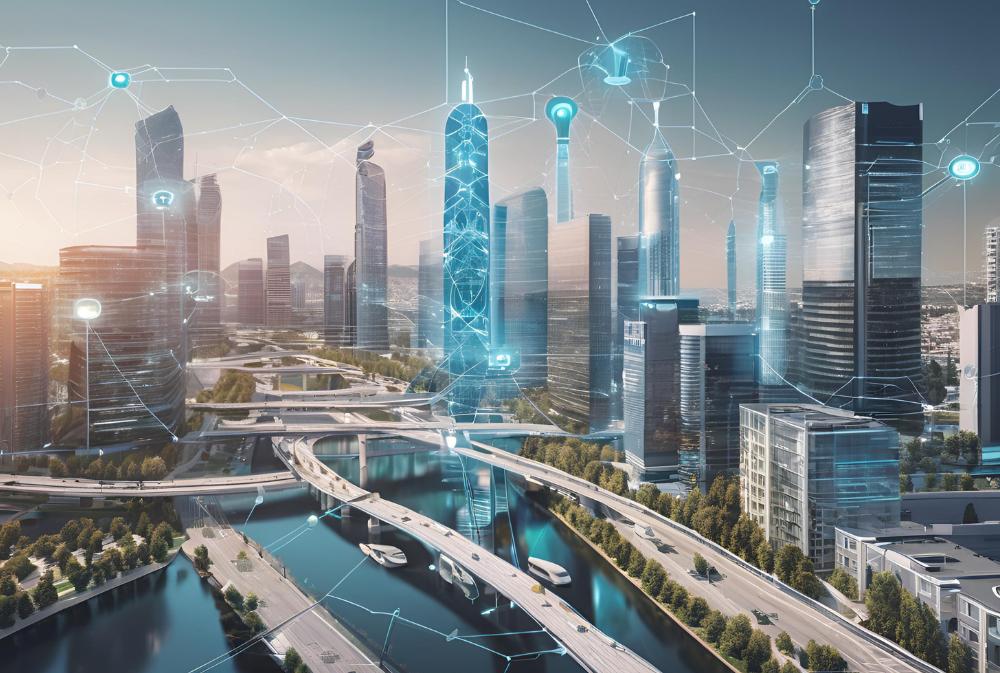
Smart cities are changing the way urban areas are planned, built, and managed. With rapid population growth and increasing demand for sustainable infrastructure, traditional construction methods are no longer enough. Modern cities now use Artificial Intelligence (AI), the Internet of Things (IoT), cloud computing, and advanced engineering to create safer, smarter, and more efficient environments.
For civil engineers, smart cities represent a major transformation. Instead of simply constructing roads and buildings, engineers are now designing intelligent infrastructure that can collect data, improve efficiency, and adapt to changing conditions.
What Is a Smart City?
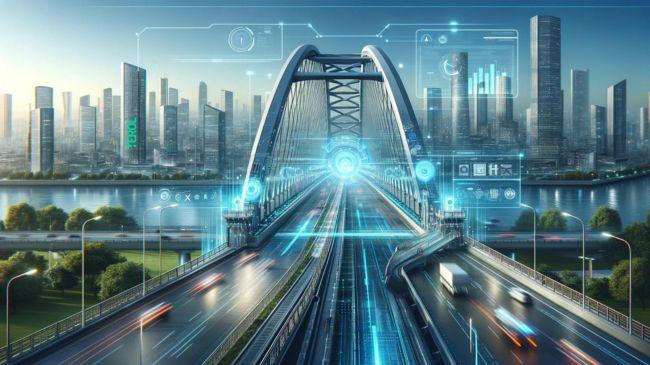
A smart city uses digital technologies to improve public services, transportation, energy management, water distribution, waste collection, and public safety. Thousands of sensors collect real-time information, allowing city authorities to make faster and better decisions.
The main goal is to improve the quality of life while reducing environmental impact and making cities more sustainable.
The Role of Civil Engineering in Smart Cities
Civil engineering forms the foundation of every smart city. Engineers design roads, bridges, tunnels, drainage systems, buildings, and transportation networks. Today, these structures are becoming “smart” by integrating digital technologies into traditional infrastructure.
Modern civil engineers work alongside software developers, AI specialists, urban planners, and environmental experts to build intelligent cities.
AI Is Making Infrastructure Smarter
Artificial Intelligence helps cities analyze enormous amounts of data collected from sensors installed throughout urban areas.
AI can:
- Predict traffic congestion
- Monitor bridge safety
- Detect road damage
- Optimize construction schedules
- Reduce maintenance costs
- Improve emergency response
Instead of waiting for infrastructure to fail, AI identifies problems before they become serious.
Smart Transportation Systems
Transportation is one of the biggest challenges in growing cities.
Smart transportation systems use AI and IoT to:
- Control traffic lights automatically
- Reduce traffic congestion
- Improve public transportation
- Support electric vehicles
- Enable autonomous vehicles
- Reduce fuel consumption
These systems make transportation faster, safer, and more environmentally friendly.
Intelligent Bridges and Roads
Modern bridges are equipped with sensors that continuously monitor:
- Structural health
- Vibration levels
- Temperature changes
- Traffic load
- Crack formation
If a problem is detected, engineers receive immediate alerts before the damage becomes dangerous.
Similarly, smart roads can monitor traffic conditions, weather changes, and accidents in real time.
Sustainable Buildings
Green buildings are another important part of smart cities.
Modern buildings use:
- Smart lighting systems
- Automated climate control
- Solar panels
- Rainwater harvesting
- Energy-efficient materials
These technologies reduce energy consumption while lowering operating costs.
Water Management
Water shortages are becoming a global concern.
Smart water systems help cities:
- Detect pipeline leaks
- Monitor water quality
- Reduce water waste
- Predict flooding
- Improve drainage systems
AI allows engineers to manage water resources more efficiently.
Waste Management
Traditional waste collection follows fixed schedules.
Smart cities use intelligent waste bins equipped with sensors that report when they are full.
Benefits include:
- Lower fuel consumption
- Cleaner streets
- Reduced operating costs
- Better recycling management
Digital Twins in Civil Engineering
One of the newest innovations is the Digital Twin.
A digital twin is a virtual copy of a real bridge, road, building, or entire city.
Engineers use digital twins to:
- Test new designs
- Predict maintenance needs
- Monitor infrastructure
- Improve construction planning
This reduces project risks and improves decision-making.
Benefits of Smart Cities
Smart cities provide many advantages for both governments and citizens.
Improved Safety
AI can detect accidents, monitor infrastructure, and respond quickly to emergencies.
Better Traffic Flow
Intelligent traffic systems reduce travel time and improve road safety.
Energy Efficiency
Smart grids and intelligent buildings reduce electricity consumption.
Lower Maintenance Costs
Predictive maintenance prevents expensive repairs.
Environmental Protection
Smart infrastructure helps reduce pollution, conserve water, and lower carbon emissions.
Improved Quality of Life
Citizens enjoy better transportation, cleaner environments, and more reliable public services.
Challenges
Despite their benefits, smart cities also face several challenges.
Some of the biggest challenges include:
- High construction costs
- Cybersecurity risks
- Data privacy concerns
- Need for skilled professionals
- Integration with existing infrastructure
Governments and engineers must work together to overcome these obstacles.
The Future of Smart Cities
The next generation of smart cities will become even more intelligent through AI, robotics, 5G networks, cloud computing, and autonomous transportation.
Future developments may include:
- AI-controlled traffic systems
- Self-healing roads
- Autonomous public transport
- Drone-based infrastructure inspections
- Carbon-neutral buildings
- Fully connected digital infrastructure
Civil engineers will continue to play a vital role in designing sustainable and resilient cities for future generations.
Conclusion
Smart cities are revolutionizing civil engineering by combining traditional infrastructure with advanced digital technologies. Artificial Intelligence, IoT, and data analytics are making roads, bridges, buildings, and transportation systems safer, more efficient, and environmentally friendly.
As urban populations continue to grow, smart engineering solutions will become essential for building cities that are sustainable, connected, and prepared for the future. The collaboration between civil engineering and emerging technologies is shaping a smarter world where innovation improves everyday life.